
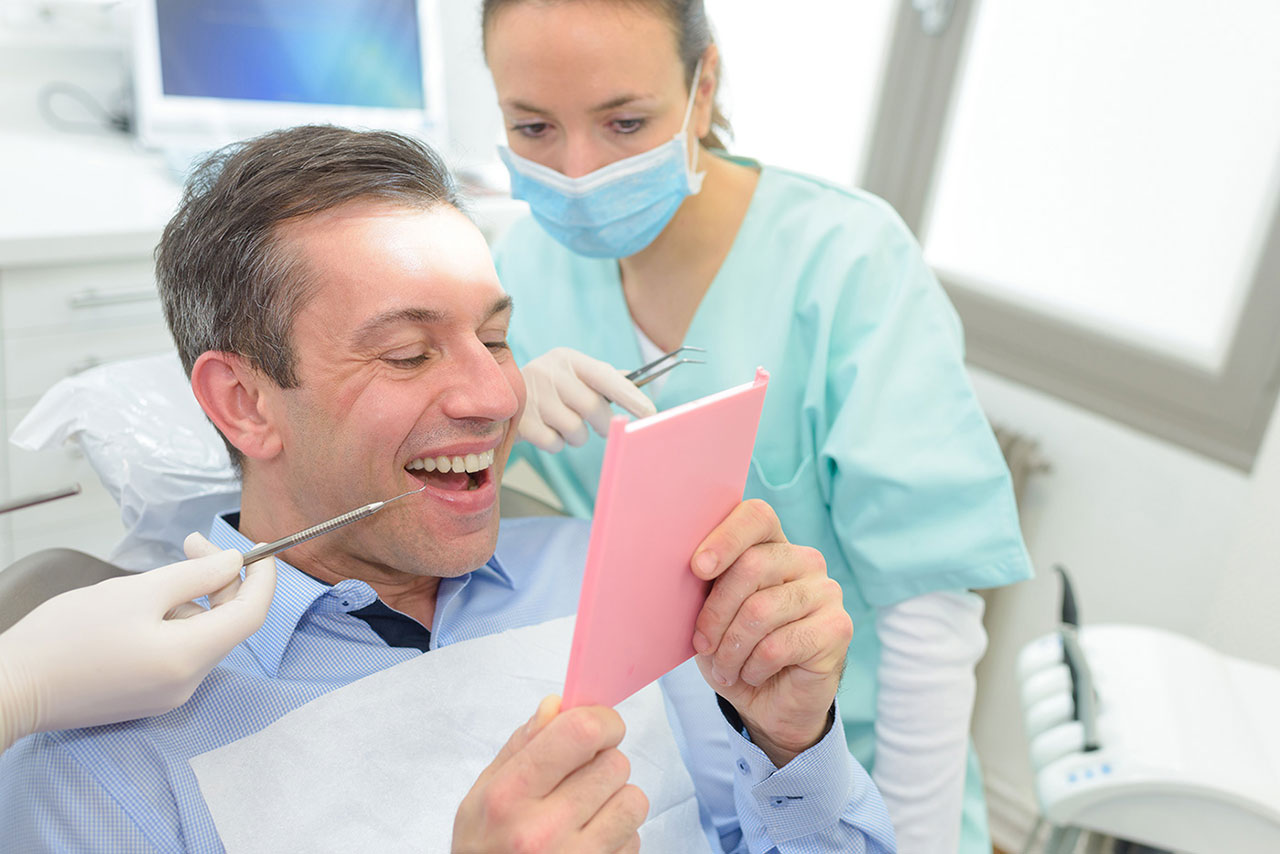
Getting a dental implant can be an important step toward restoring your smile, but what happens after treatment matters just as much. Like natural teeth, dental implants need consistent care to remain clean, comfortable, and functional. If you have dental implants or are considering them, understanding dental implant maintenance in Tamarac, FL can help you feel prepared for life after treatment.
At Best Value Dentures and Implants Tamarac, patients can receive personalized guidance based on their restoration and oral health needs. If you are still deciding whether implants are right for you, you can learn more about the practice’s implant crown treatment and the different ways implants can be used to replace missing teeth. Proper maintenance begins with knowing how your particular restoration works and what your dental team recommends.
Why Is Dental Implant Maintenance Important?
Dental implants are designed to provide long-term tooth replacement, but they are not completely maintenance-free. The implant, crown, bridge, or denture supported by the implant all need appropriate care.
Daily cleaning helps control plaque and food debris around the gums and restoration. Professional dental visits allow your dentist to monitor the implant and surrounding tissues. Together, these habits can help identify small problems before they become more difficult to manage.
Maintenance is also important because an implant restoration involves more than the visible replacement tooth. The gums, supporting bone, implant components, and bite all contribute to long-term function.
How Should You Clean Dental Implants?
Your daily routine will depend on whether you have a single implant crown, an implant bridge, implant-supported dentures, or a full-arch restoration. Your dental team should show you the most appropriate cleaning technique for your specific restoration.
In general, brushing twice each day is an important starting point. A soft-bristled toothbrush can help clean the teeth, gumline, and accessible areas around the restoration without unnecessary irritation.
Cleaning between teeth is equally important. Traditional floss may work well for some implant crowns, while other restorations may require floss threaders, interdental brushes, or a water flosser. The best tool depends on the shape and design of the restoration.
Do not assume that a restoration is clean simply because it looks clean. Food particles and plaque can collect in areas that are difficult to see, especially around implant-supported bridges and dentures.
What Happens During an Implant Maintenance Appointment?
Maintenance appointments are designed to monitor the health and function of your restoration. Your dentist may examine the gums around the implant, evaluate the restoration, check your bite, and look for signs of wear or changes.
Professional cleaning may also be recommended. The tools and techniques used can vary depending on the type of implant restoration you have.
Your dentist may also ask whether you have noticed changes in comfort. Symptoms such as persistent bleeding, swelling, unusual sensitivity, changes in your bite, or movement should always be discussed.
These visits are not only about fixing problems. They are also an opportunity to confirm that your home-care routine is working and make adjustments when necessary.
Can Dental Implants Get Cavities?
The implant itself cannot develop a cavity because it is not natural tooth enamel. However, that does not mean the area is immune to oral health problems.
Natural teeth surrounding an implant can still develop decay. The gums and supporting tissues can also become inflamed when plaque accumulates. That is why brushing, interdental cleaning, and routine dental visits remain important.
If you have an implant crown replacing one tooth, your surrounding natural teeth still need the same level of attention they received before treatment.
What Are Warning Signs Around a Dental Implant?
Many implant patients feel comfortable for years, but changes should not be ignored. Contact your dental office if you notice persistent bleeding, swelling, discomfort, a bad taste, unusual drainage, or a restoration that feels loose.
A change in your bite is another reason to contact your dentist. If your implant crown suddenly feels higher than the surrounding teeth or you notice a new pressure point, professional evaluation can determine what is happening.
Early attention is generally preferable to waiting until a problem becomes more pronounced.
Does Your Diet Affect Dental Implant Maintenance?
Once your dentist has cleared you for normal eating, dental implants can support everyday chewing. However, good judgment still matters.
Extremely hard foods can place significant force on teeth and restorations. Chewing ice is also a habit worth avoiding because it can damage natural teeth as well as dental restorations.
If you have recently received an implant, follow your dentist’s instructions regarding what to eat during healing. Your dietary recommendations may be different during the early stages of treatment than they are once the restoration is fully functional.
How Does Grinding Affect Dental Implants?
Teeth grinding and clenching can place additional pressure on dental restorations. If you grind your teeth, tell your dentist before and after implant treatment.
A nightguard may be recommended in some cases. The purpose is to reduce excessive forces and help protect your teeth and restorations while you sleep.
Not everyone who grinds their teeth will need the same type of protection. Your dental team can evaluate your bite and recommend an appropriate approach.
How Long Can Dental Implants Last?
The implant component is designed for long-term use, but longevity depends on many factors. Oral hygiene, gum health, bite forces, smoking, overall health, restoration quality, and routine professional care can all influence the long-term outcome.
The crown, bridge, or denture attached to the implant may eventually need maintenance or replacement because restorative materials can experience normal wear over time.
Thinking of implant treatment as a long-term partnership between the patient and dental team can be helpful. The initial procedure establishes the foundation, while daily care and professional maintenance help protect that investment.
Dental Implant Maintenance for Different Restorations
Single Implant Crowns
A single implant crown can often be cleaned much like a natural tooth. Your dentist may recommend specific flossing techniques around the crown and gumline.
Implant Bridges
Implant bridges may require additional cleaning beneath the bridge. Specialized flossing tools or interdental brushes can help reach areas that a standard toothbrush cannot.
Implant-Supported Dentures
Removable implant-supported dentures need both denture care and implant care. Your dentist may instruct you to remove the restoration for cleaning and to clean around the implant attachments carefully.
Full-Arch Implant Restorations
Full-arch restorations can require a more detailed home-care routine because the replacement teeth are connected across a larger area. Your dental team can demonstrate how to clean around and underneath the restoration.
Benefits of Dental Implant Maintenance in Tamarac, FL
- Helps keep the implant area cleaner and healthier
- Supports healthy gum tissue around the restoration
- Allows potential concerns to be identified earlier
- Helps protect surrounding natural teeth
- Supports comfortable chewing and speaking
- Helps preserve the appearance of the restoration
- Provides an opportunity to monitor bite and restoration wear
- Supports long-term implant care and maintenance
Frequently Asked Questions About Dental Implant Maintenance
How often should dental implants be checked?
Your dentist will recommend a schedule based on your oral health, restoration, and individual risk factors. Regular dental visits are an important part of ongoing implant care.
Can I brush an implant like a natural tooth?
In many cases, brushing is an important part of implant care, but your dentist may recommend specific techniques or tools based on your restoration.
Do implant-supported dentures need special cleaning?
Yes. Implant-supported dentures require care for both the removable restoration and the tissues and implant components underneath it.
What should I do if my implant crown feels loose?
Contact your dental office promptly. A loose restoration should be evaluated rather than ignored.
Keep Your Smile Working for You
Dental implants can provide a stable and natural-looking way to replace missing teeth, but maintaining the result requires consistent care. A few minutes of daily cleaning, combined with professional monitoring, can make implant maintenance a straightforward part of your normal dental routine.
If you have dental implants or are considering implant treatment in Tamarac, FL, call Best Value Dentures and Implants Tamarac at (954) 640-9091. Schedule a consultation to discuss your smile, your restoration, and the maintenance plan that fits your needs.