
Missing several teeth in a row can make simple things feel surprisingly difficult. You may avoid certain foods, chew mostly on one side, or feel uncomfortable when you smile. If you are looking for a fixed alternative to a removable partial denture, implant bridges in Tamarac, FL may be an option worth discussing.
An implant bridge uses dental implants as support rather than relying on neighboring natural teeth. At Best Value Dentures and Implants Tamarac, patients can explore tooth replacement options designed around the location of their missing teeth, their oral health, and their personal goals. If you are considering several missing tooth replacement options, learning about implant-supported tooth replacement can also help you understand how implant-based solutions work.
What Is an Implant Bridge?
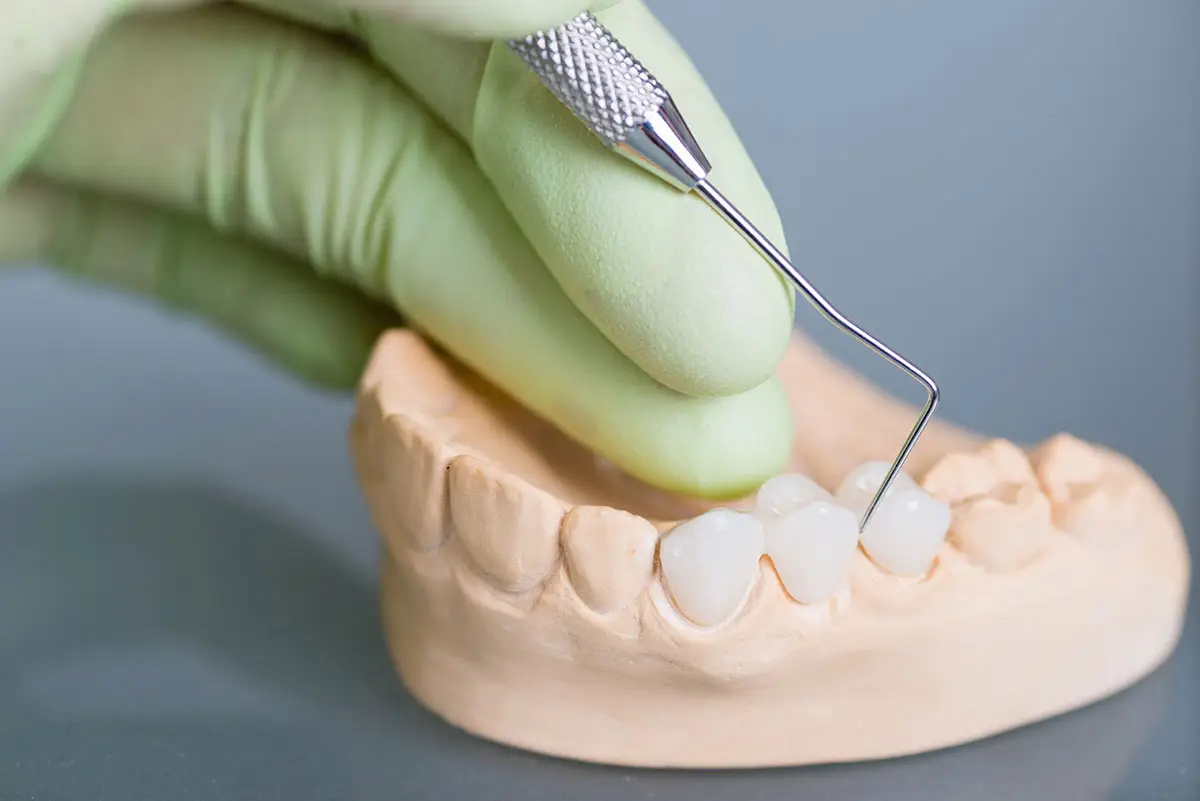
An implant bridge is a fixed dental restoration designed to replace multiple missing teeth. Instead of using natural teeth as the supports, dental implants serve as the anchors for the bridge.
For example, if several adjacent teeth are missing, strategically placed implants may support a restoration that replaces the entire span. The exact number and position of implants depend on the size of the space, available bone, bite forces, and other individual factors.
This design allows multiple missing teeth to be restored without necessarily placing one implant for every individual tooth.
Why Consider an Implant Bridge?
When multiple teeth are missing, a removable partial denture is one possible solution. A traditional fixed bridge is another. An implant bridge provides a different approach by using implants to create independent support.
One of the main reasons patients explore this option is stability. A fixed implant bridge does not need to be removed for everyday activities, and it is not designed to move around like a removable appliance.
Another consideration is the neighboring teeth. Traditional bridges generally use adjacent teeth as supports, which may require those teeth to be prepared. Implant bridges use implants as their foundation, so healthy neighboring teeth may not need to be reshaped simply to support the replacement teeth.
Who May Be a Candidate for an Implant Bridge?
Patients with several missing teeth in the same area may be candidates for implant bridges. However, the decision depends on more than the number of missing teeth.
Your dentist will evaluate the gums, jawbone, remaining teeth, bite, and overall oral health. Imaging can help determine whether the available bone provides appropriate support for implant placement.
If bone volume is limited, your dentist may discuss additional procedures or alternative treatment approaches. That does not automatically mean implants are impossible, but it does mean the treatment plan may need to be adjusted.
How Does the Implant Bridge Process Work?
The process begins with an examination and treatment consultation. Your dentist will identify the missing teeth and evaluate the surrounding structures.
Digital imaging can then be used to create a detailed view of your jaw and help with implant planning. This planning stage is important because the implants need to be positioned to support the final restoration and manage normal chewing forces.
Once the treatment plan is established, the implants are placed into the jaw. Healing time allows the implants to stabilize before the final bridge is attached, although the exact process varies by patient.
Your dentist will then make or coordinate the custom bridge. The restoration is designed to fit your bite and complement your surrounding teeth.
Will an Implant Bridge Look Natural?
Modern dental restorations are designed with appearance in mind as well as function. The color, shape, proportions, and position of replacement teeth can be customized.
For teeth that show prominently when you smile, your dentist will consider how the restoration interacts with your gumline and neighboring teeth. For back teeth, chewing strength and comfortable function may be particularly important.
The goal is to create a restoration that looks like it belongs with the rest of your smile rather than looking like an obvious replacement.
How Does an Implant Bridge Compare With a Traditional Bridge?
A traditional bridge is supported by teeth next to the missing space. An implant bridge is supported by implants placed into the jaw.
That difference affects the treatment process. With a traditional bridge, the supporting teeth may need to be reshaped. With an implant bridge, the support comes from implants rather than the neighboring teeth.
However, implant treatment typically involves a surgical component and a longer healing process than a conventional bridge. This is why a professional evaluation is important when comparing the options.
Implant Bridge Care and Maintenance
An implant bridge is fixed in place, but that does not mean it can be ignored. Daily cleaning remains essential. Food and plaque can collect around the gumline and beneath the restoration, so your dental team may recommend specific cleaning tools.
Depending on the design, you may use floss threaders, specialized brushes, or a water flosser to clean areas that are difficult to reach with conventional floss.
Routine dental visits also matter. Your dentist can monitor the implants, gum tissue, bite, and bridge over time.
If you notice bleeding, swelling, persistent discomfort, changes in your bite, or movement around the restoration, contact your dental office for an evaluation.
What If You Have Bone Loss?
Bone loss is common after tooth loss because the jaw no longer receives the same stimulation from natural tooth roots. However, the presence of bone loss does not automatically rule out implant treatment.
Three-dimensional imaging can help your dentist evaluate available bone and identify potential implant positions. In some cases, additional procedures may be recommended to improve the foundation.
The appropriate approach depends on the location and amount of bone available as well as the type of restoration being planned.
Benefits of Implant Bridges in Tamarac, FL
- Provides a fixed option for replacing several missing teeth
- Uses dental implants for independent support
- Can restore chewing function across a larger missing-tooth area
- May avoid preparing healthy neighboring teeth for bridge support
- Can provide a natural-looking replacement for multiple missing teeth
- Provides stability during speaking and eating
- Can be customized to complement surrounding teeth
- Offers a long-term restoration option when appropriate and properly maintained
Frequently Asked Questions About Implant Bridges
How many implants are needed for an implant bridge?
The number varies according to the size of the missing-tooth area, bone structure, bite, and restoration design.
Can an implant bridge replace three missing teeth?
In appropriate cases, strategically placed implants can support a bridge that replaces multiple adjacent teeth. Your dentist will determine the appropriate design.
Is an implant bridge removable?
Implant bridges are generally designed as fixed restorations. Your dentist can explain the specific restoration recommended for your case.
How do I clean under an implant bridge?
Your dental team can show you how to use flossing aids, specialized brushes, or other tools to clean around and beneath the restoration.
Restore the Space With a Personalized Plan
Several missing teeth do not have to mean settling for a restoration that feels unstable or limits your daily routine. An implant bridge can provide a fixed replacement designed to restore both function and appearance.
If you are exploring implant bridges in Tamarac, FL, contact Best Value Dentures and Implants Tamarac at (954) 640-9091. Schedule a consultation to discuss your missing teeth, your goals, and the tooth replacement options available for your smile.