
The Cavity Mystery: Unraveling Why Some People Get More Tooth Decay Than Others
Published on May 23, 2025 | 8 minute read
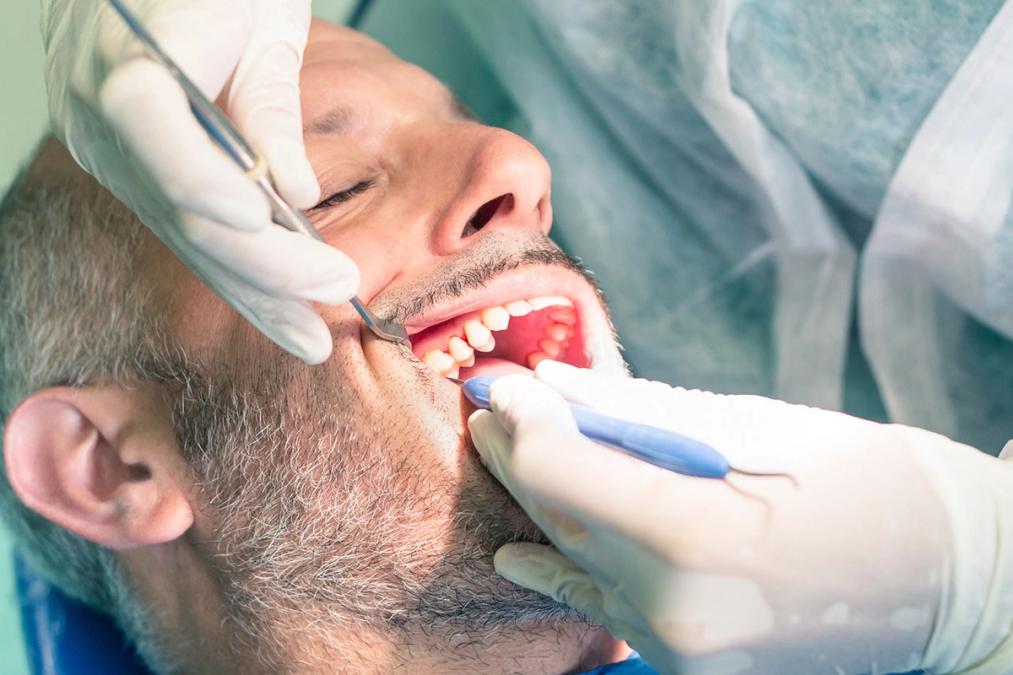
Do you brush twice daily, floss regularly, and still find yourself facing another cavity at your dental checkup? You're not alone in wondering whether genetics dealt you an unfair hand or if there's something more you should be doing. The truth about recurring cavities involves a fascinating combination of factors that go far beyond the basics of oral hygiene, and understanding these elements can help you take control of your dental health.
The Role of Tooth Anatomy in Cavity Formation
Your tooth structure plays a significant role in determining your cavity risk, and much of this comes down to genetics. Some people are born with deeper grooves and pits on their tooth surfaces, particularly on the chewing surfaces of their back teeth. These natural indentations create perfect hiding spots for bacteria and food particles, making thorough cleaning challenging even with the best brushing technique.
Enamel thickness is another crucial factor that varies from person to person. Thicker enamel provides better protection against acid attacks from harmful bacteria, while thinner enamel leaves teeth more vulnerable to decay. Additionally, tooth spacing affects your cavity risk – crowded or overlapping teeth create tight spaces where plaque can accumulate and remain undisturbed by regular brushing and flossing.
The shape and alignment of your teeth also influence how easily you can clean them. Crooked teeth or unusual positioning can create areas that are difficult to reach with a toothbrush or floss, allowing bacteria to thrive in these protected spaces. Even your jaw size and bite pattern can impact how effectively you can clean all surfaces of your teeth.
Beyond Brushing: Hidden Factors That Fuel Cavity Development
While poor oral hygiene certainly contributes to cavities, several other factors can make you more susceptible to tooth decay, regardless of how well you brush and floss. Saliva production is one of the most important yet overlooked elements in cavity prevention. Saliva naturally neutralizes acids produced by bacteria and helps wash away food particles and plaque.
Certain medications, medical conditions, and even aging can reduce saliva flow, creating an environment where harmful bacteria flourish. Dry mouth leaves your teeth without this natural defense system, making cavity formation much more likely. Hormonal changes during pregnancy, menopause, or other life stages can also affect saliva composition and flow.
Your diet plays a crucial role beyond just avoiding obvious sugary treats. Frequent snacking, even on healthy foods, provides constant fuel for bacteria in your mouth. Acidic foods and beverages, including citrus fruits, tomatoes, and even diet sodas, can weaken tooth enamel over time. The timing and frequency of eating can be just as important as what you eat.
Stress affects your oral health in multiple ways, from potentially changing your eating habits to affecting your immune system's ability to fight off harmful bacteria. Some people also grind their teeth when stressed, which can create small cracks and weakened areas where cavities can more easily develop.
The Bacterial Balance in Your Mouth
Your mouth contains hundreds of different types of bacteria, and the specific mix varies from person to person. Some individuals naturally harbor more aggressive, cavity-causing bacteria like Streptococcus mutans, while others have a more balanced bacterial community that's less likely to produce tooth-damaging acids.
This bacterial profile is influenced by genetics, diet, oral hygiene habits, and even your family's bacterial composition during childhood. Cavity-causing bacteria can actually be transmitted from parents to children through activities like sharing utensils or cleaning a pacifier with saliva.
The pH level in your mouth also affects bacterial growth and activity. Some people naturally maintain a more neutral pH that's less conducive to cavity formation, while others tend toward a more acidic environment that encourages harmful bacterial growth and enamel weakening.
Existing dental work can also influence your bacterial balance. Old fillings, crowns, or other restorations may develop small gaps or rough edges over time, creating new areas where bacteria can accumulate and multiply.
Taking Control of Your Cavity Risk
Understanding the multiple factors involved in cavity formation empowers you to take a more comprehensive approach to prevention. While you can't change your genetics or tooth anatomy, you can work with these factors rather than against them.
If you have deep grooves in your teeth, dental sealants can provide an extra layer of protection. For those with dry mouth issues, using saliva substitutes, staying well-hydrated, and chewing sugar-free gum can help compensate for reduced natural saliva production.
Customizing your oral hygiene routine based on your specific risk factors is crucial. This might mean using specialized toothbrushes for hard-to-reach areas, incorporating antibacterial mouth rinses, or using prescription fluoride treatments to strengthen weakened enamel.
Professional fluoride treatments and more frequent cleanings can help counteract genetic predispositions or anatomical challenges. Your dental team can identify your specific risk factors and recommend targeted prevention strategies.
The Importance of Regular Professional Dental Care
Regular dental checkups and cleanings provide benefits that go far beyond cavity detection. Professional cleanings remove plaque and tartar buildup in areas you simply cannot reach at home, regardless of how thorough your daily routine might be. Research published in the Journal of Dental Research shows that professional cleanings every six months can reduce cavity risk by up to 60% compared to home care alone.
During routine visits, dental professionals can identify early signs of decay before they become painful problems requiring extensive treatment. Early intervention is not only more comfortable and affordable but also helps preserve more of your natural tooth structure. Additionally, regular fluoride treatments administered professionally are significantly more effective than over-the-counter options, providing stronger protection against acid attacks.
Professional dental care also includes oral cancer screenings, gum disease evaluation, and monitoring of existing dental work – comprehensive care that protects your overall oral health and can even detect systemic health issues that first show symptoms in the mouth.
Your Path to Better Dental Health
Recurring cavities don't necessarily mean you're failing at oral hygiene – they often indicate that you need a more personalized approach to dental care. By understanding the complex interplay between genetics, anatomy, lifestyle factors, and bacterial balance, you can work with your dental team to develop strategies that address your specific risk factors.
The key is recognizing that effective cavity prevention often requires more than just brushing and flossing. Whether your challenges stem from tooth anatomy, bacterial composition, lifestyle factors, or a combination of elements, professional guidance can help you identify the most effective prevention strategies for your unique situation.
Don't let recurring cavities discourage you from maintaining good oral health. Instead, use this knowledge to take a more informed, proactive approach. Contact Best Value Dentures & Implants Tamarac at 954-640-9091 to discuss your specific cavity concerns and develop a personalized prevention plan that addresses the root causes of your dental challenges.
